
Insights
Practical guides, cost breakdowns and regulations for IT, low-current and security projects in Saudi Arabia.
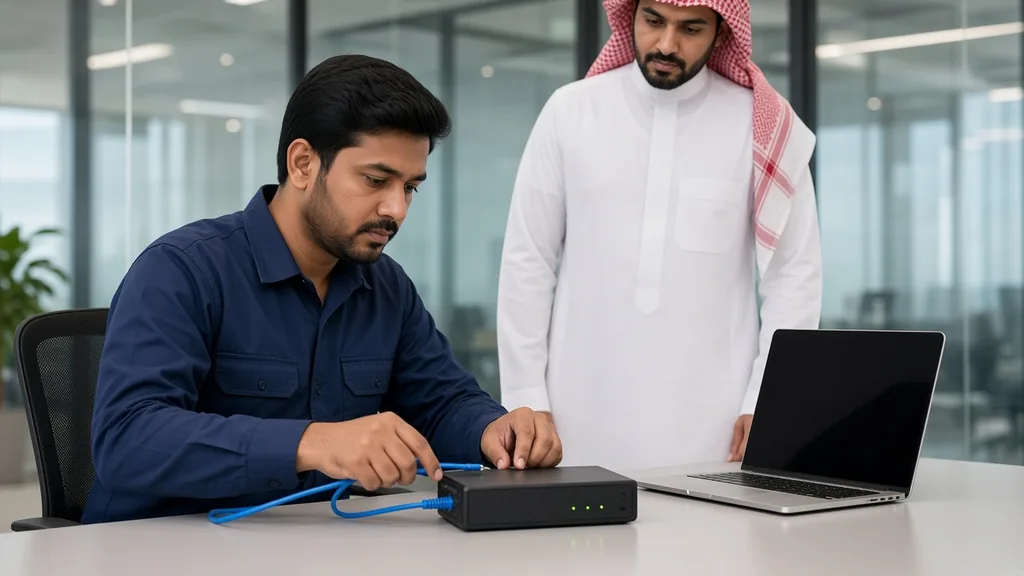
Cybersecurity Checklist for Saudi SMEs: Practical Basics (PDPL & NCA Awareness)
Most cyber incidents at small businesses start with something basic: a stolen password, a phishing email, an unpatched device, or a backup that did not work. The most effective first steps are: turn on multi-factor authentication (MFA) for email and admin accounts, keep systems and devices updated, use a business firewall and endpoint protection, back up data using the 3-2-1 approach with an offline or immutable copy, separate guest and device networks, control who has admin rights, and train staff to recognise phishing. In Saudi Arabia, the Personal Data Protection Law (PDPL) applies to organisations that process personal data, and the National Cybersecurity Authority (NCA) publishes cybersecurity controls and guidance. Check which obligations apply to your organisation with the official authorities or a qualified adviser.
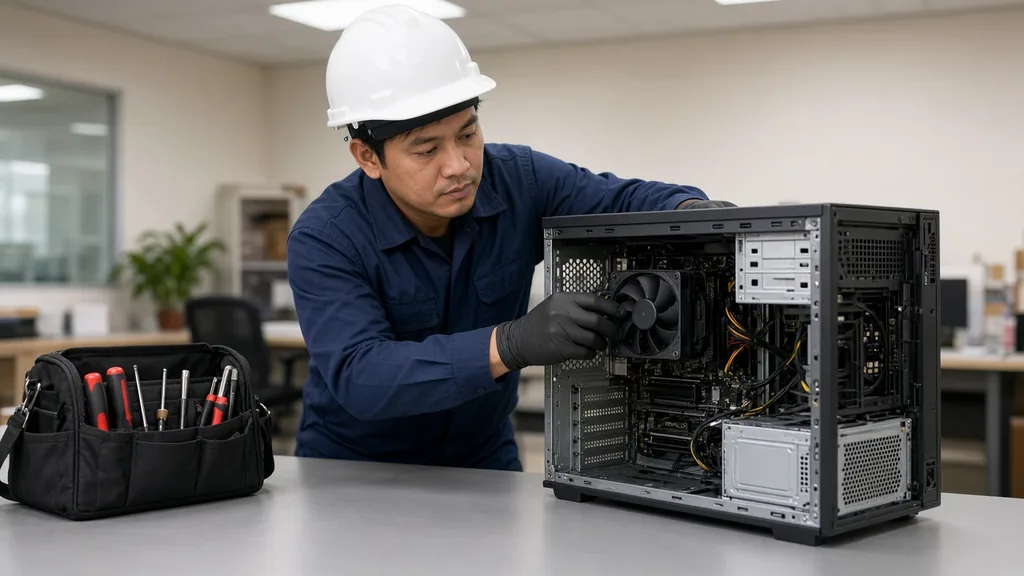
IT Maintenance Contracts in KSA: What Should Be Included (Checklist)
A good IT maintenance contract (often called an AMC – annual maintenance contract) clearly lists the equipment and systems covered, the preventive maintenance schedule, how support requests are raised, response and resolution targets, remote and on-site support hours, what is included versus charged extra (parts, licences, new projects), security tasks such as patching and backup checks, and the reports you will receive. The price depends on the number of users and devices, the systems covered (network, servers, CCTV, access control, fire alarm, phones), the response times you need, and the locations. Before signing, compare contracts on scope and service levels, not just the annual fee.

Small Business Server vs Cloud: Which Is Right for Your Company in KSA?
An on-premise server gives you local control, fast access to large files and predictable one-off hardware investment, but you are responsible for power, cooling, backups, security and replacement. Cloud services (such as Microsoft 365, Google Workspace, cloud ERP or virtual servers) turn IT into a monthly subscription, reduce hardware management and make remote work easier, but depend on internet connectivity and ongoing fees. Most Saudi small and medium businesses end up with a hybrid: email, files and collaboration in the cloud, and a small local server or NAS for specific applications, CCTV recording, large files or systems that must stay on-site. Whatever you choose, plan backups, security and data-residency requirements from the start, and check sector rules for where data may be stored.
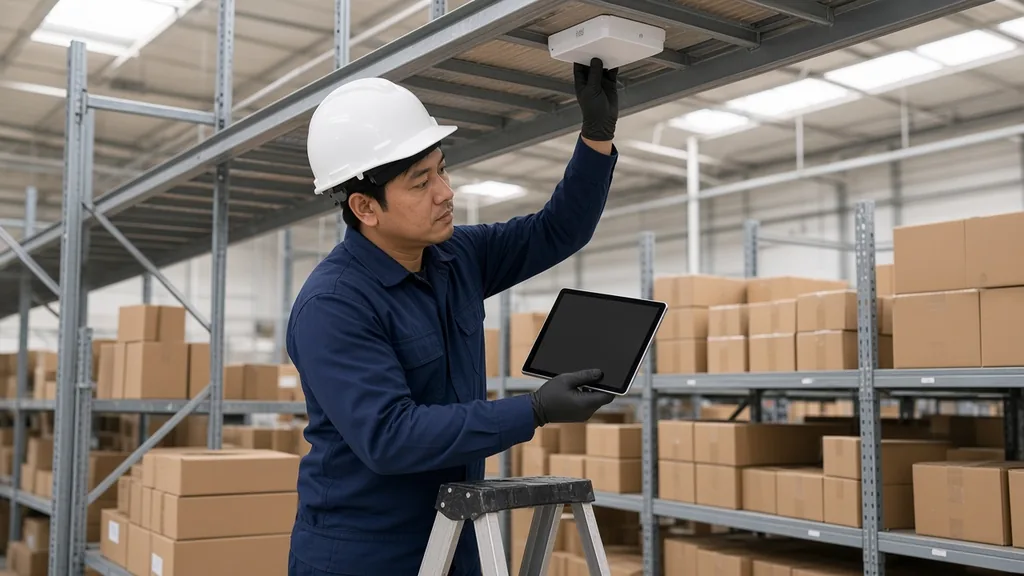
Business Wi-Fi Planning: Coverage for Offices and Warehouses in Dammam & Al Khobar
Reliable business Wi-Fi comes from planning, not from buying a more powerful router. A professional design starts with a site survey, places ceiling-mounted access points (APs) for both coverage and capacity, connects them with structured cabling and PoE switches, manages them centrally, and separates staff, guest and device traffic on different networks. Offices usually need more APs for user density; warehouses need APs suited to high ceilings, racking and handheld scanners. Plan for the number of devices, the applications you use (video calls, cloud apps, scanners), the building materials, and future growth. Secure the network with WPA3 or WPA2-Enterprise where possible, strong passwords and regular firmware updates.
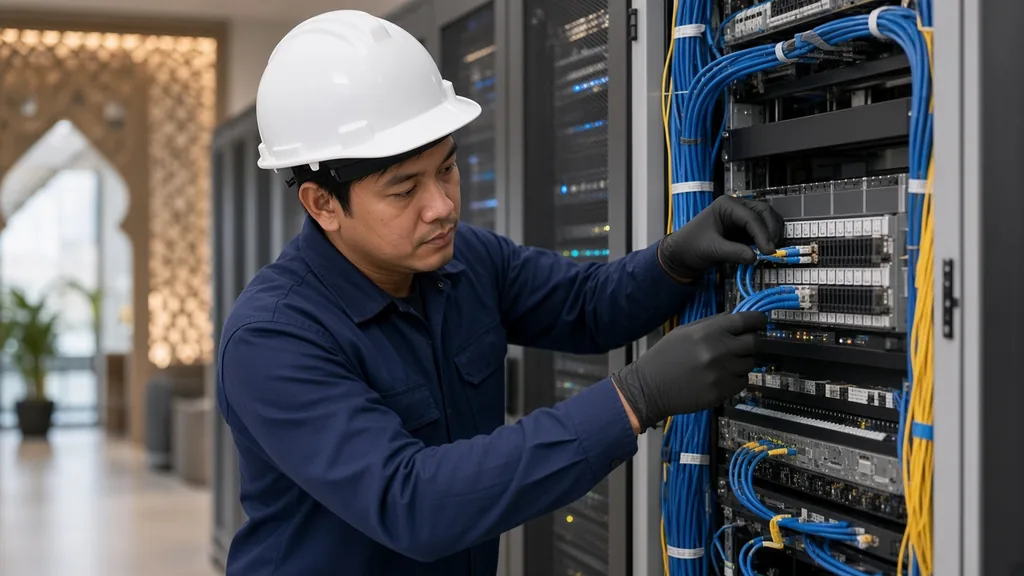
Structured Cabling Cost in Saudi Arabia: Cat6 vs Cat6A vs Fiber
Cat6 copper cabling is the common, economical choice for office desks, phones, access points and CCTV over typical distances; Cat6A supports higher speeds (up to 10 Gb/s over the full standard channel length) and higher-power PoE devices, and is often chosen for new buildings that want headroom; fiber optic is used for backbones between racks, floors and buildings and for distances beyond copper's limit. Most well-designed networks use copper to the outlets and fiber for the backbone. The cost of a structured cabling project depends on the number of points, cable category, route difficulty, containment (trays, trunking, conduit), rack and patching hardware, testing and certification, and labour conditions. Ask for an itemised quote with a test report at handover.
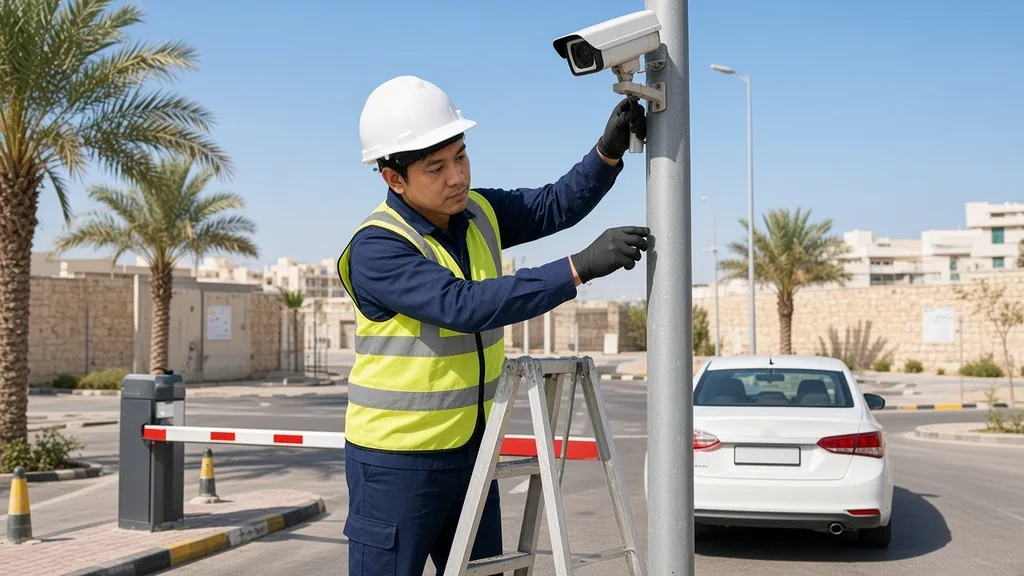
ANPR Cameras Explained: How Licence-Plate Recognition Works for Gates & Car Parks
ANPR (automatic number plate recognition), also called LPR, uses a specialised camera and software to read vehicle licence plates and turn them into text. The system compares each plate with a list: authorised vehicles can open a barrier automatically, unknown vehicles can trigger an alert or be directed to the guard, and every entry and exit is logged with a time stamp and image. ANPR is widely used at compound gates, company car parks, warehouses, logistics yards and hospitals. Accuracy depends less on megapixels and more on correct installation: the camera angle, height, distance, shutter speed, infrared illumination and vehicle speed. A site survey for each lane is essential.
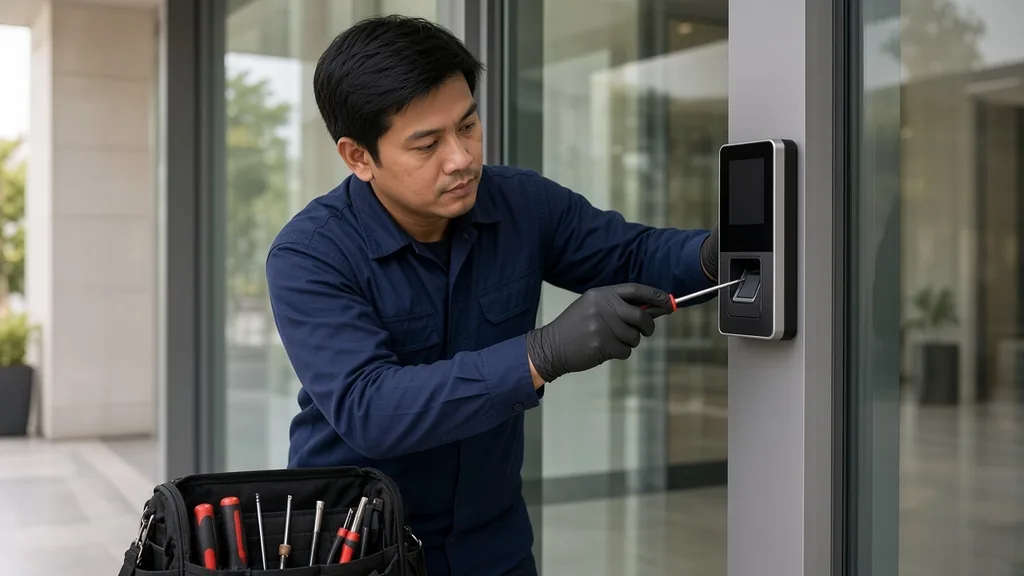
Access Control Systems: Card vs Fingerprint vs Face vs Mobile
The main access control credential types are PIN codes, proximity or smart cards, fingerprint (biometric), face recognition and mobile credentials on a smartphone. Cards are economical and fast but can be lent or lost. Fingerprint and face readers tie access to the person, which suits sensitive rooms and time attendance. Mobile credentials are convenient and easy to issue or revoke remotely. Most businesses combine them: cards or mobile for general doors, biometrics or two-factor (card + PIN or card + face) for server rooms, cash rooms and pharmacies. Choose based on security level, number of users, traffic at the door, environment and how you will manage users. Biometric data is personal data, so handle it in line with Saudi data protection rules.
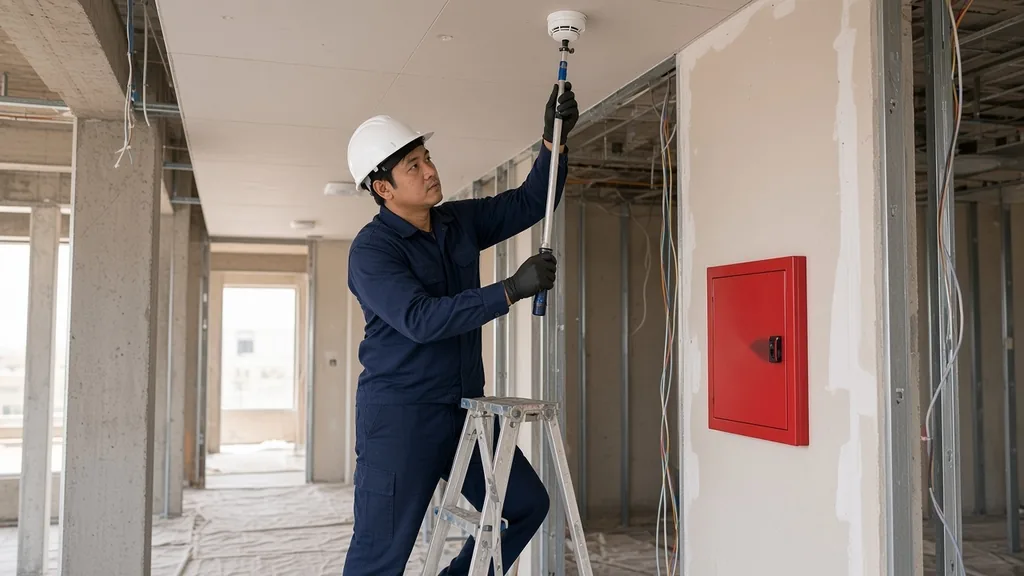
Fire Alarm System Types: Conventional vs Addressable vs Wireless
There are three main types of fire alarm system: conventional, addressable and wireless (plus hybrids that combine wired and wireless devices). Conventional systems group detectors into zones, so the panel tells you which area has an alarm. Addressable systems give every device its own address, so the panel shows the exact detector or call point. Wireless systems use radio links instead of detector cabling, which helps in buildings where running cable is difficult. Small, simple buildings often suit conventional systems; larger or more complex buildings usually benefit from addressable systems; wireless or hybrid systems suit heritage, occupied or hard-to-cable spaces. In Saudi Arabia, fire protection is regulated, so the design must meet the applicable code and Civil Defense requirements for your building – always confirm with the official authority and a qualified contractor.
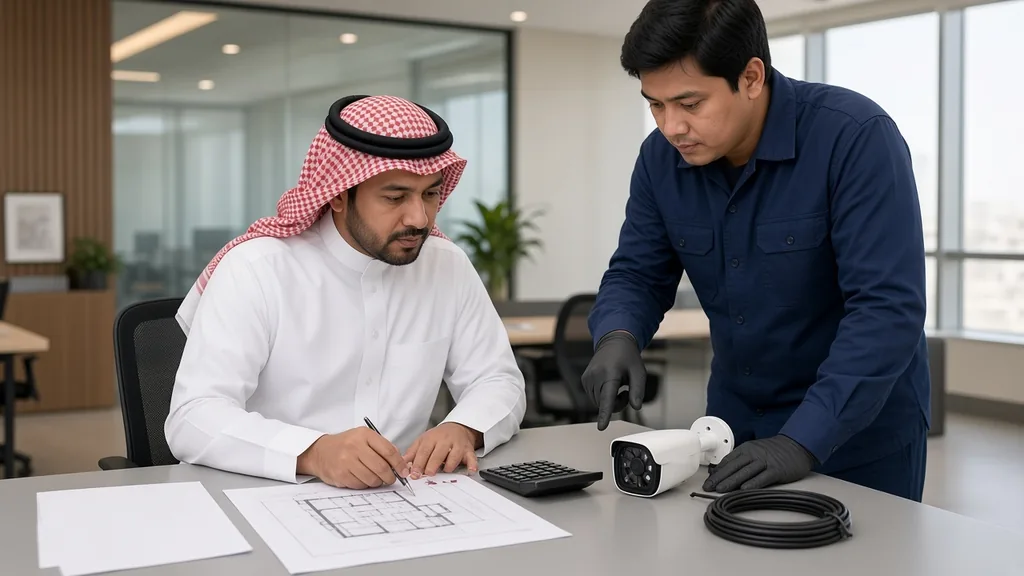
CCTV Installation Cost in Saudi Arabia: What Affects the Price
The cost of a CCTV installation in Saudi Arabia depends mainly on six things: the number of cameras, the camera types and resolution, the cabling distance and route, recording storage (NVR and hard disks), labour and access difficulty, and any integration with access control, ANPR or remote monitoring. Two quotes with the "same number of cameras" can differ a lot because they include different brands, storage periods, cable quality or warranty terms. The only reliable way to get a real price is a site survey followed by an itemised quotation that lists every component, so you can compare like with like. This guide explains each cost factor and gives you a checklist for comparing quotes.
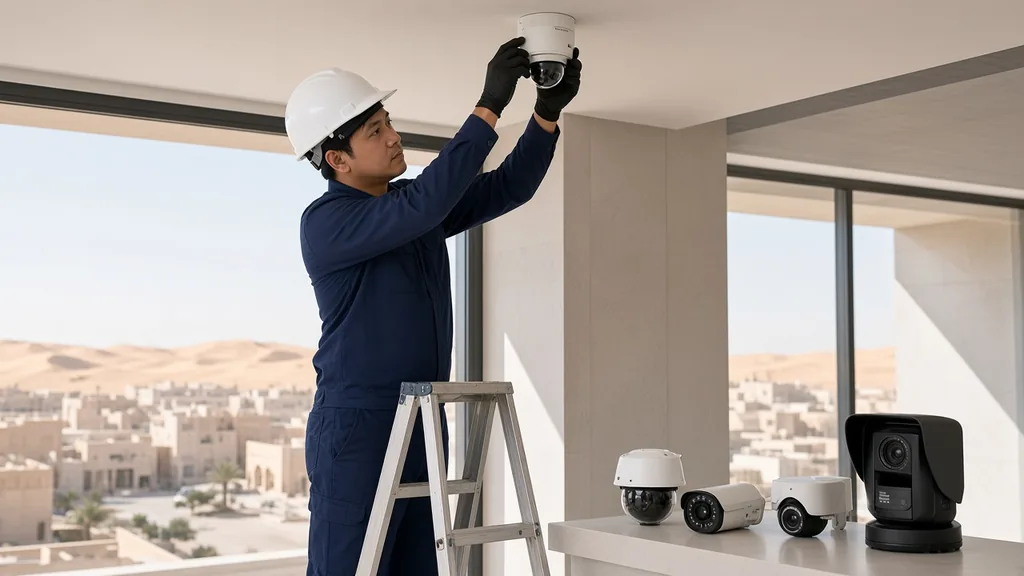
Types of CCTV Cameras: A Practical Guide for Saudi Businesses and Homes (2026)
The main CCTV camera types are dome, bullet, turret (eyeball), PTZ, fisheye (360°), box, and specialty cameras such as ANPR (licence-plate recognition) and thermal cameras. Most systems today are IP cameras recording to an NVR. For most Saudi offices and shops, turret or dome IP cameras indoors and bullet or turret cameras outdoors cover the majority of needs. Warehouses and compounds often add PTZ cameras for wide areas and ANPR cameras at gates. In the Saudi climate, choose outdoor cameras with a suitable IP66/IP67 weather rating, a wide operating temperature range, and good low-light performance. Requirements for some facilities are set by Saudi authorities, so always confirm the current rules for your sector before you install.
