
Contracting & Technical Works
Construction, civil, electromechanical and electrical works delivered to handover.
- Covers
- General constructionCivil worksElectrical worksElectromechanicalWater & sewage networksPump stationsSite preparation
- Guides
- Lump sum vs re-measured · Electrical: MDB, SMDB, DB · UPS vs generator · Hold points & inspections
- How we work
- Survey → Plan → Build → Inspect & test → Hand over
Ceilings close before the data cabling is in, and walls get opened twice. Our fix: One coordinated programme with hold points.
See the common problemsCivil blames MEP, MEP blames electrical, and you referee. Our fix: A single contractor accountable for the whole.
See the common problemsNo capacity for servers, UPS or EV chargers, and breakers trip. Our fix: Load surveys and electrical design up front.
See the common problemsPick a project and its scopes, then drag through the weeks. You'll see which trades are on site and which hold points keep rework off your budget.
Try the coordinated programmeAnswer a few quick questions and a Skylius specialist will prepare practical recommendations.
Request a consultationFive contractors, five schedules, and nobody owns the clashes.
We deliver civil, electrical, electromechanical and technical fit-out works under one programme, coordinated with the low-current and IT systems from day one, then tested and handed over with full documentation.

Sound familiar?
Where projects lose time and money.
Most overruns come from the gaps between trades, not from the work itself.
Trades clash on site
Ceilings close before the data cabling is in, and walls get opened twice.
Nobody owns the interface
Civil blames MEP, MEP blames electrical, and you referee.
Power designed as an afterthought
No capacity for servers, UPS or EV chargers, and breakers trip.
No as-built drawings
At handover you get keys, not the documents you need to maintain the building.
Late handover
Testing starts in the last week, and snags push opening day.
Utility connections delayed
Water, sewer or power connections hold up occupancy.
Interactive · coordinated programme
One programme, every trade in sequence.
Pick a project and its scopes, then drag through the weeks. You'll see which trades are on site and which hold points keep rework off your budget.
Interactive · power & UPS sizing
How much backup power do your critical systems need?
Add your critical equipment and choose a runtime. You'll get the load, an indicative UPS rating and a generator range to start the conversation.
Indicative power scope
Indicative only. Uses typical power draw and a 0.9 power factor, with 25% headroom on the UPS. Final sizing follows a site load survey, cable sizing and discrimination study.
Send this load list on WhatsAppOwner's guide
Contracting decisions, explained simply.
What to clarify before signing a works contract.
Lump sum vs re-measured
How you pay changes how risk is shared.
A fixed price for a defined scope. Clear budget, but changes cost extra.
Paid on actual quantities at agreed rates. Flexible, needs tight measurement.
One party designs and builds. Fewer interfaces, but define performance clearly.
Ask for: a priced BOQ, a variation procedure and payment milestones tied to progress.
Electrical: MDB, SMDB, DB
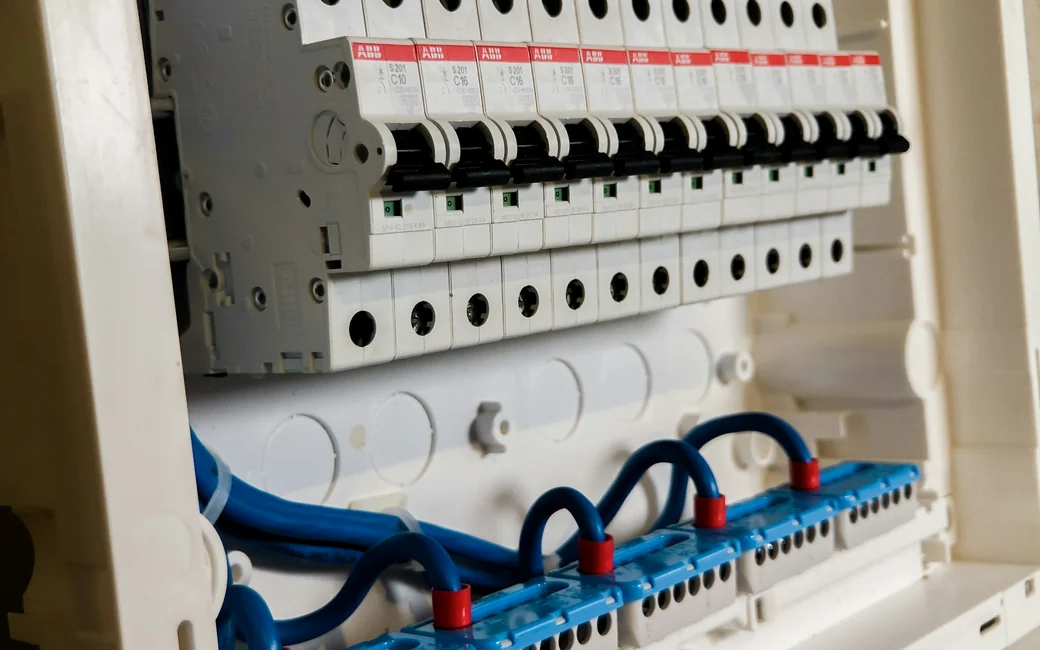
Power flows through a hierarchy of boards, so size each for growth.
Main distribution board fed from the utility or transformer.
Sub-main boards per floor, zone or plant area.
Final boards feeding lighting, sockets and equipment, with spare ways.
Tip: keep 20–30% spare capacity for future IT, UPS and EV charging.
UPS vs generator
They complement each other. Most critical sites need both.
Instant, clean power for minutes to hours. Protects IT, security and controls.
Long-duration backup for the wider building, after a start-up delay.
UPS bridges the gap until the generator takes the load. ATS switches automatically.
Don't forget: earthing, surge protection and battery replacement cycles.
Hold points & inspections
Checking at the right moment is cheaper than opening finished work.
Above-ceiling, in-wall and in-slab services inspected and photographed.
Insulation resistance, polarity and earthing tests on every circuit.
Integrated systems tests, authority inspections and snagging.
Rule of thumb: no hold point sign-off, no next trade.
Water & sewage networks
Underground works need accurate surveys and testing before backfill.
Existing utilities located. Levels and gradients confirmed.
Pipe bedding, jointing, manholes and connections to approved details.
Pressure tests for water, leak and CCTV inspection for sewers before backfilling.
Note: connection approvals can take time. Start the process early.
Handover documents
What you should receive at the end of every project.
The installed reality, not the tender design.
Signed results for every system and circuit.
Manuals, spare parts lists, warranty certificates and training records.
Ask for it in the contract: the final payment linked to complete handover documents.
How we work
From site survey to handover, one accountable team.
A single programme for civil, MEP, electrical and technical systems.
Survey
Site survey, existing services, loads and authority requirements.
Plan
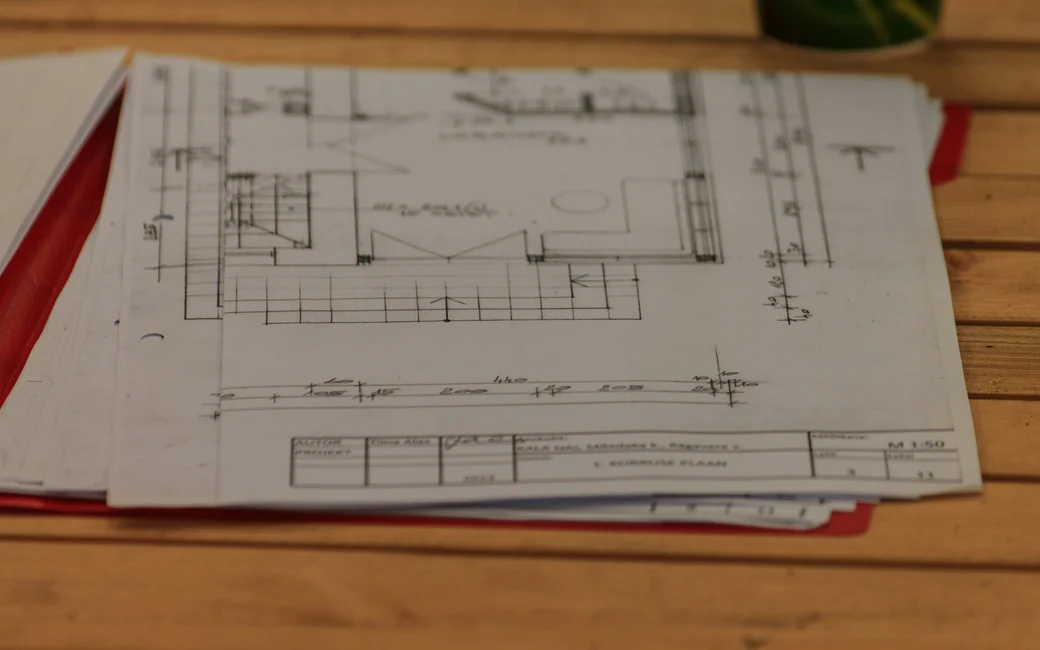
Programme, BOQ, method statements and coordination drawings.
Build
Civil, electrical, MEP and fit-out works with daily site supervision.
Inspect & test
Hold-point inspections, circuit testing and integrated commissioning.
Hand over
Snagging, as-built drawings, O&M manuals and training.

Technology we work with
Equipment and systems we install and integrate.







FAQ
Questions clients ask us.
Have a different question? A specialist will reply on WhatsApp.

Yes. That's the point: civil, electrical, electromechanical and low-current works under one programme, so interfaces are coordinated, not argued over.
Yes. We build to the approved design and specifications, raise technical queries early, and propose value engineering only with your approval.
Yes. We do network construction and connections, and pump stations including the electrical, MCC and control works, tested before handover.
Weekly progress reports with photos, a look-ahead programme, open issues and hold-point status, plus site meetings at agreed intervals.
As-built drawings, test and commissioning sheets, O&M manuals, warranties, spare parts lists and training records.
Yes. We phase works, schedule noisy or shutdown activities out of hours, and agree safety and access rules with your facility team.
We work to an agreed programme, report progress weekly and flag risks early, so decisions are made before they cause delays.
Defects are handled under the defects liability terms in your contract. The handover pack lists contacts, and we attend to reported defects.
Site visit
One contractor, one programme, no gaps between trades.
Share your drawings or describe the site. We'll visit, review the scope and propose a coordinated plan and BOQ.
